
The Secret of Neuroplasticity
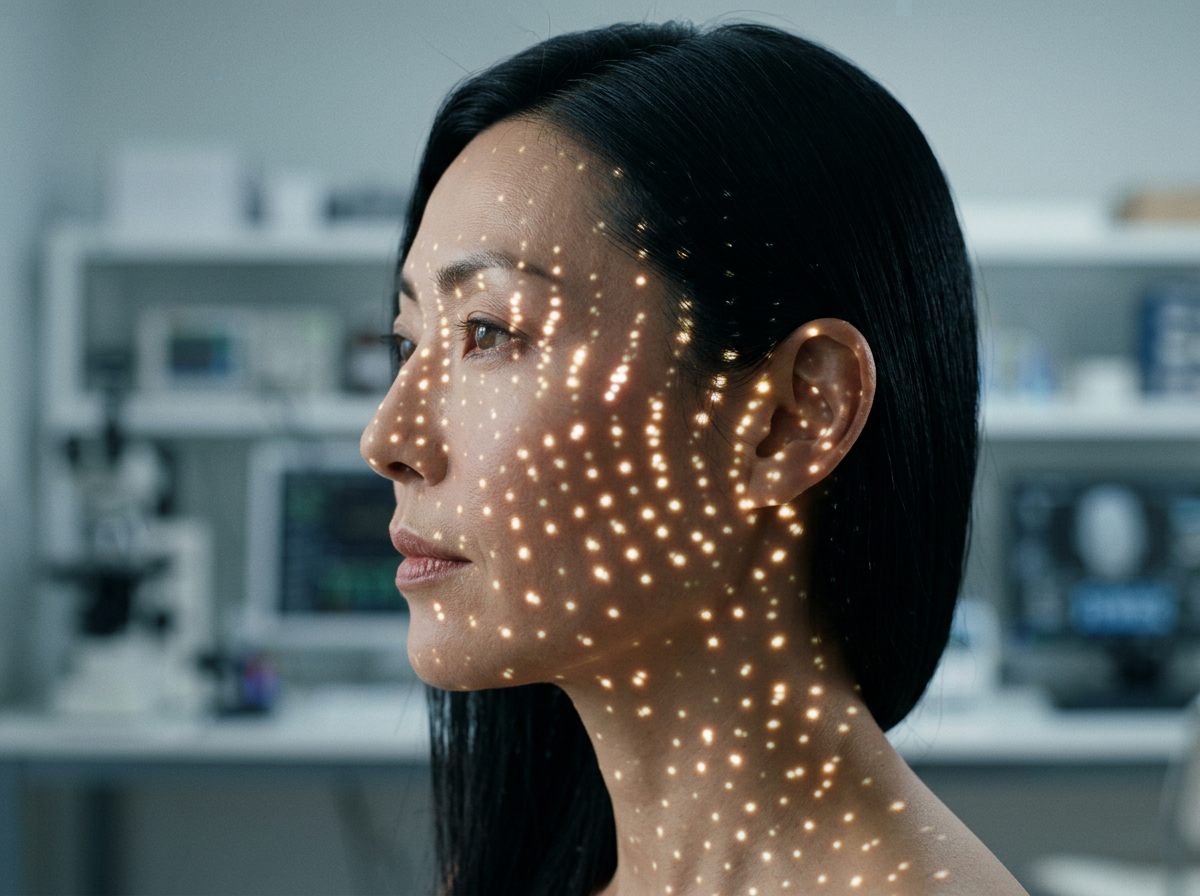
Becoming Is Biological
I was watching an interview with Olympic champion Eileen Gu, and what struck me first wasn’t just her achievements. It was the way she spoke about her own mind. At twenty-two, she moves through identities most people believe they have to choose between. Model. Olympic athlete. Academic. A young woman who seems to operate beyond the usual boundaries of one single definition.
She described spending time analyzing her own thoughts, journaling, observing, adjusting her mindset like a scientist working on an experiment.
She spoke about neuroplasticity as something she actively uses, saying that by changing how you think, you can literally change who you become.
And something clicked.
Because this idea sits at the heart of a question I keep returning to:
What if becoming is not just spiritual or psychological… but biological?
The Brain Is Not Fixed
For years, we believed the brain stabilized in adulthood. That personality settled, habits hardened, identity became permanent.
Neuroplasticity changed that story.
Science now describes the brain as a dynamic system shaped by experience, repetition, and effort. Every thought you revisit strengthens a pathway. Every repeated action tells the brain what to automate. The brain learns through practice, not intention alone.
Which means something quietly revolutionary:
You are not stuck with the version of yourself you have been rehearsing. You are training one.
Why Becoming Feels Unnatural
If change is possible, why does it feel so uncomfortable Because your brain prefers prediction over expansion. It uses the past to forecast the future. Familiarity equals safety. Even limiting identities feel stable because they are neurologically known.
The nervous system would rather repeat a smaller story than risk uncertainty.
So when you begin to imagine a bigger life, your brain hesitates. It searches for evidence. It questions your logic. It pulls you back toward the familiar. Not because you are wrong. Because you are new.
The Athlete’s Mindset
Listening to Eileen Gu explain her process, one thing stood out. She doesn’t treat the mind as something passive. She treats it as a craft.
She journals. Breaks down her thinking. Applies an analytical lens. Adjusts her thought patterns with intention. This is neuroplasticity in motion.
Small repeated choices shape neural circuits. Over time, behaviors become automatic. The extraordinary begins to feel normal because the brain has been trained to live there. Success, then, is not just talent. It is neurological rehearsal.
The Delusional Self
This is where science meets something more psychological, almost spiritual.
Before the brain rewires, there is a phase where the future version of you feels unrealistic. You start thinking differently before your environment reflects it. You move as if something bigger is possible, even when there is no evidence yet.
From the outside, this can look delusional. But what if delusion is simply the first stage of neuroplastic change?
The imagination runs ahead of biology, giving the brain a destination to adapt toward. The “delusional self” is not disconnected from reality. She is connected to a future reality that your nervous system is still learning to trust.
Becoming Is Biological
We often talk about transformation as if it is mystical. A sudden awakening. A moment of clarity that changes everything overnight.
But neuroplasticity reveals a quieter truth.
Becoming happens through repetition. Through choosing new thoughts again and again. Through small actions that signal safety to the nervous system. Through practicing the identity you want until it feels familiar.
The brain rewires slowly, but faithfully. Each time you think differently, you are laying down new circuitry.
Each time you act from expansion instead of fear, you are teaching your biology a new way to exist.
The Cultural Layer
Here is where it becomes interesting, especially for women. Many of us were taught to value realism. To stay grounded. To avoid thinking too big. To wait for proof before believing in ourselves.
But neuroplasticity suggests the opposite.
The brain changes when you repeatedly step into unfamiliar territory.
Expansion requires imagination before evidence. You have to think beyond what already exists for the brain to begin adapting.
In that sense, believing in more becomes an act of power. Not fantasy. Training.
The Quiet Shift
The transformation does not look dramatic from the outside. You begin speaking differently. Choosing differently. Trusting your instincts a little more. You stop arguing with your own vision.
At first, it feels strange. Slightly uncomfortable. Like wearing a new identity that hasn’t softened yet. Then, slowly, it becomes natural.
Your nervous system catches up with your imagination. And one day, what once felt unrealistic simply feels like you.
Closing Reflection

Watching that interview reminded me that greatness is rarely accidental. Behind every visible success is an invisible practice of becoming.
The brain listens to repetition. It responds to focus. It evolves through intentional thought.
The secret of neuroplasticity is not just that the brain can change. It’s that becoming is biological. And maybe the most powerful question you can ask yourself is no longer Who am I? but:
What version of myself am I training my brain to become?
Love, Mara
